

 Return

“
Our responsibility doesn’t stop at our plants. Cooling equipment is a key part of our footprint, and improving its efficiency is a major opportunity. By progressively upgrading our cooler fleet, we are reducing energy consumption while continuing to deliver the best experience to our customers and consumers.”

Valentin Loison
Group Commercial & Strategy Director
Climate resilience is essential to ECCBC’s long-term sustainability. Rising temperatures, energy price volatility, and evolving regulatory expectations directly impact our operations across North and West Africa.
Our climate strategy focuses on reducing energy-related emissions within our plants and across our cold drink equipment footprint. The emphasis is practical: optimize what we operate, modernize where necessary, and progressively integrate cleaner energy sources.

“
Our approach to climate action is practical. Projects such as the solar installation at COBOMI and our partnership to source wind energy allow us to test, learn, and scale solutions that reduce our energy footprint. It’s about taking concrete steps today while building the foundation for a more resilient and low-carbon operation tomorrow.”

Oussama Hasnaoui
Head of Group QEOSH & Operational Sustainability
1
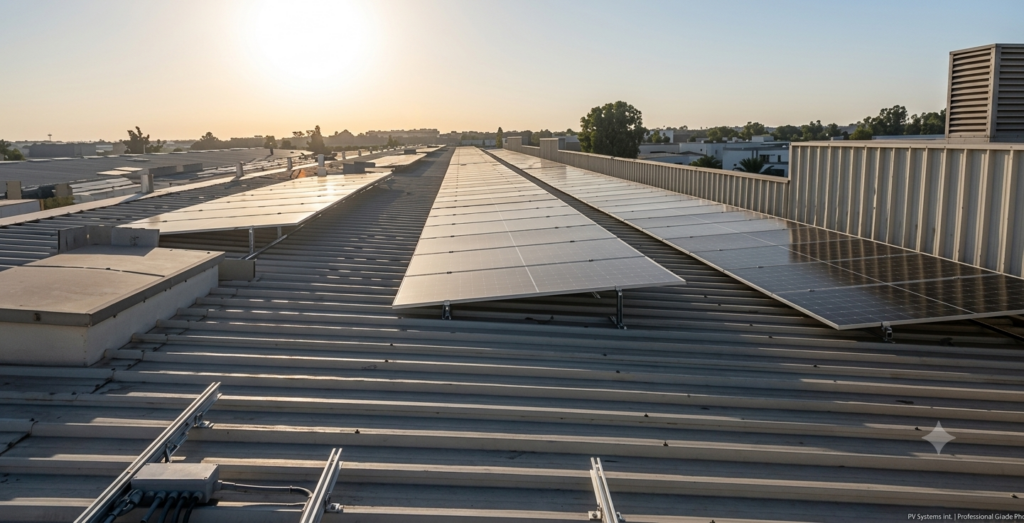
Renewable Energy Deployment – COBOMI Plant
In 2025, ECCBC strengthened its renewable energy transition at the COBOMI plant through two major milestones: the commissioning of an on-site solar photovoltaic installation and the signature of a wind energy supply agreement with NAREVA.
- Generates on-site renewable electricity to partially supply plant operations
- Secures renewable electricity through a long-term wind energy agreement with NAREVA
- Reduces reliance on conventional grid electricity
- Contributes directly to Scope 2 emissions reduction
- Strengthens operational resilience in a context of energy volatility
Beyond emissions reduction, these initiatives enable ECCBC to assess renewable energy performance, support long-term energy cost stability, and provide a scalable model for deployment across other Business Units.
The COBOMI renewable energy initiatives represent a major step toward cleaner, more resilient industrial operations.
2
Energy-Efficient Cooler Transition Program
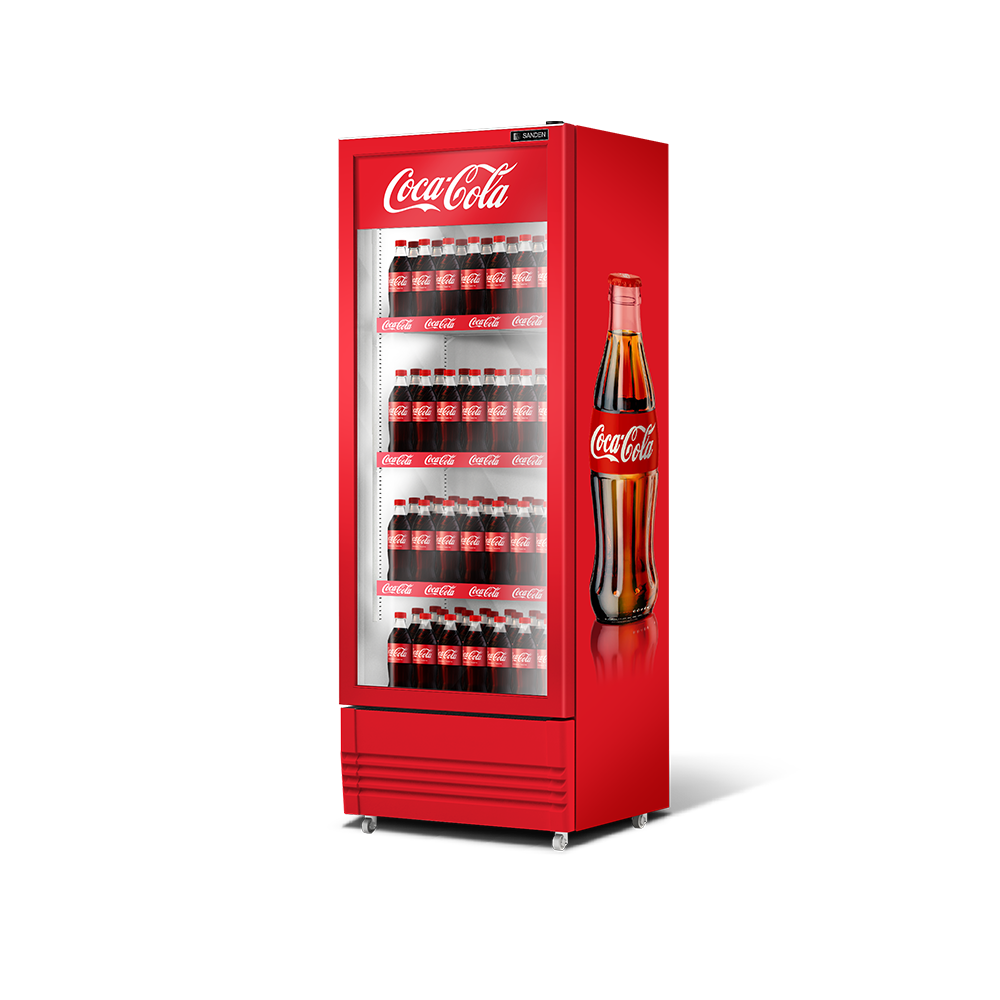
Cold drink equipment represents a significant share of our indirect energy consumption. To address this, ECCBC is implementing a structured fleet modernization program.
Key components include:
- Gradual replacement of older, high-consumption coolers
- Deployment of energy-efficient models with improved insulation and optimized compressors
- Adoption of refrigerants with lower Global Warming Potential
- Preventive maintenance protocols to ensure optimal performance
This transition reduces electricity demand across retail environments and improves lifecycle efficiency of cooling assets.
The approach is phased, embedded into capital expenditure cycles, and aligned with long-term energy efficiency objectives.
3
Industrial Energy Rehabilitation – Plant Optimization Program
Energy efficiency improvements within plants remain in a central decarbonization lever.
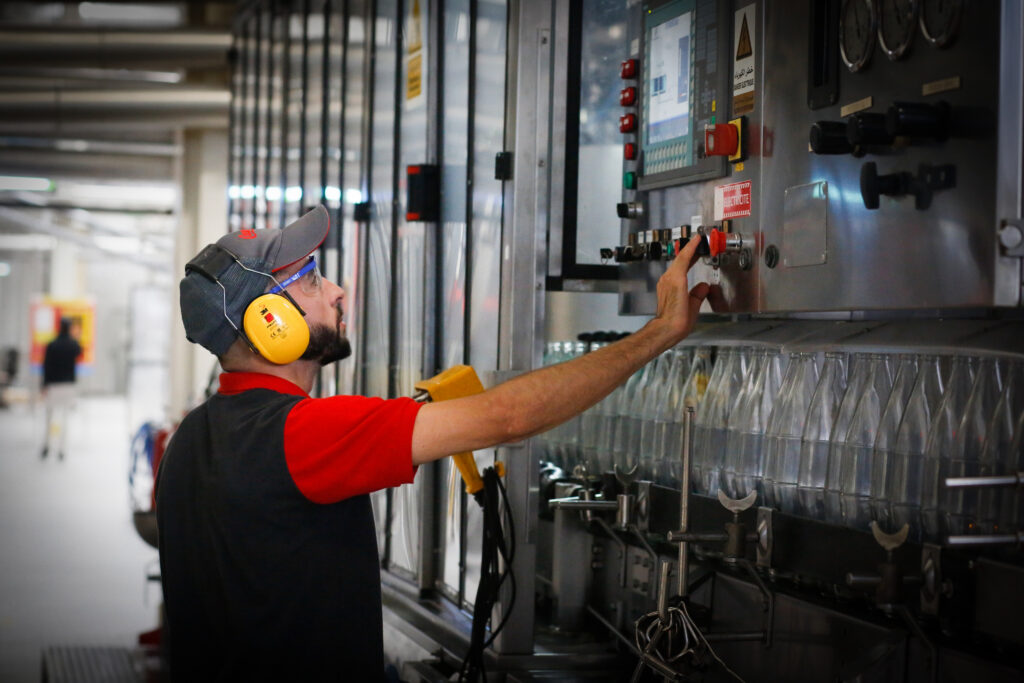
Across facilities, ECCBC implemented targeted rehabilitation programs including:
- Upgrading compressors and motors to higher-efficiency models
- Optimization of compressed air systems
- Boiler system performance improvements
- Thermal insulation enhancements
- Preventive maintenance to minimize avoidable energy losses
Rather than expanding infrastructure, the focus remains on optimizing existing industrial systems to reduce energy intensity and extend equipment lifespan.
These improvements contribute directly to the 25% energy efficiency improvement target by 2030.