 Return
“
Water efficiency starts at the plant level, but it is part of a broader approach to water security. By combining operational discipline, continuous improvement, and a clear roadmap across our key locations, we are strengthening our ability to manage water resources responsibly while ensuring the resilience of our operations.”

Imad Harti
Group Operations & TMO Director
At ECCBC, addressing plastic waste requires systemic change. Under The Coca-Cola Company’s World Without Waste strategy, we have committed to:



1
Improve Operational Water Efficiency
Operational efficiency is the cornerstone of our water strategy. Reducing water intensity lowers environmental pressure while strengthening cost control and production stability.
Plant-Level Optimization Programs
Across Morocco, Algeria, Ghana, Cape Verde, and Guinea, factory teams implemented structured water conservation initiatives, including:
- Optimization of Cleaning-in-Place (CIP) cycles
- Installation of water-efficient nozzles and equipment
- Leak detection and repair programs
- Cooling tower optimization
- Segmentation of high-consumption processes for targeted intervention
Water performance data is continuously analyzed to identify efficiency gaps and implement corrective measures.
Long-Term Water Resource Projection Study
 Morocco
 Algeria
Recognizing increasing climate exposure, ECCBC launched a comprehensive study to estimate and project water resource mobilization potential through 2050 in Morocco and Algeria.
The study evaluates:
- Current basin availability
- Competing water demand (agriculture, industry, urban use)
- Climate scenario modeling
- Future infrastructure capacity
This forward-looking assessment supports strategic decision-making, risk mitigation planning, and long-term capital allocation.
Digital Water Monitoring – Evocon (2025)
In 2025, ECCBC implemented Evocon digital monitoring systems across its manufacturing footprint. This system enables:
- Real-time monitoring of water consumption
- Continuous tracking of water treatment performance
- Early detection of process inefficiencies
- Automated anomaly alerts
This digitalization enhances transparency at plant level and allows proactive corrective action rather than reactive response


2
Replenish Water in High-Risk Watersheds
ECCBC’s replenishment strategy aligns with the Coca-Cola System’s Replenish Africa 2035 framework, which prioritizes high-risk water locations across the continent, including Morocco, Algeria, and Cape Verde.
In 2025, operational implementation commenced in Morocco.
Living Planet Morocco (LPM) Partnership
Morocco
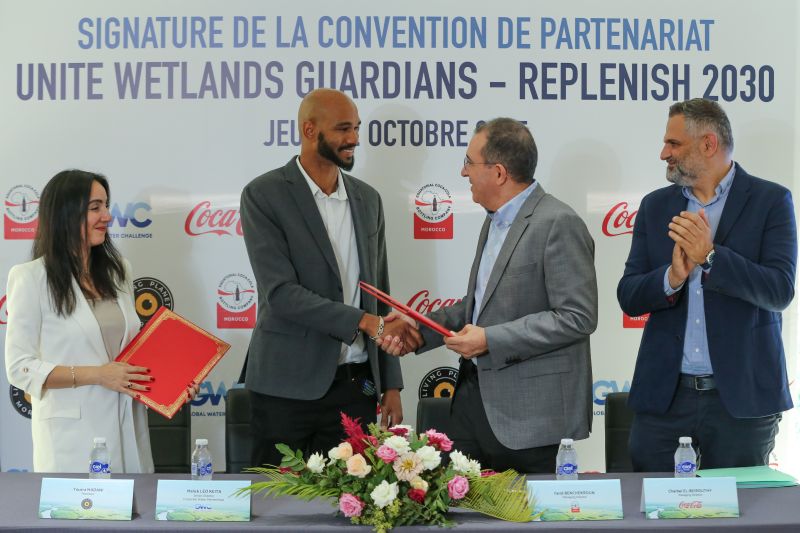
Under the Africa Water Stewardship Initiative, ECCBC partnered with Living Planet Morocco (LPM) and Global Water Challenge (GWC) to implement a watershed restoration initiative in the Oum Er-Rbia Basin.
This basin is a strategic water source serving Casablanca, Marrakesh, and Settat, making its resilience critical at national level.
The project focuses on:
- Wetland restoration to enhance natural recharge
- Nature-based solutions for water retention
- Community training in sustainable agricultural practicesship
By strengthening ecosystem function and community capability, the initiative contributes to basin-level water balance and long-term resilience.
Preparatory risk assessments continue in Algeria and Cape Verde to guide future deployment under the broader Replenish Africa 2035 framework.
3
Strengthen Wastewater Treatment & Compliance
Water quality protection is a fundamental component of our stewardship model.
All ECCBC plants operate wastewater treatment facilities aligned with The Coca-Cola Company’s KORE standards, which frequently exceed local regulatory requirements.
Wastewater Governance Across Markets
Morocco
Algeria
 Ghana
Ghana
 Cape Verde
 Guinea-Conakry
Treatment systems are operational in: Morocco, Algeria, Ghana, Cape Verde and Guinea
These systems include:
- Biological treatment processes
- Continuous effluent parameter monitoring
- Sludge management controls
- Routine compliance audits
- Periodic infrastructure upgrades
Our objective is to ensure that treated water returned to the environment supports ecosystem health and does not degrade receiving water bodies.

4
Protect Watersheds Through Partnerships & Community Engagement
Water security requires coordinated action beyond operational boundaries. Through risk assessment tools and multi-stakeholder alliances, ECCBC works to understand shared water risks and act on them collectively.
Water Risk Assessment – WaterPlan (2025)
In 2025, ECCBC introduced WaterPlan, a digital basin-level modeling platform designed to:
- Assess physical and regulatory water risks
- Monitor basin conditions in real time
- Identify high-exposure sites
- Prioritize mitigation and replenishment actions

Alliance for Water Stewardship (AWS)
ECCBC is advancing toward AWS certification in priority locations. AWS provides a globally recognized framework assessing:
- Water governance structures
- Sustainable water balance
- Water quality management
- Stakeholder engagement
AWS strengthens structured collaboration with basin stakeholders and ensures transparent stewardship practices.
WASH and Community Water Access
In addition to replenishment, ECCBC supports targeted water access initiatives to improve public health and community resilience.
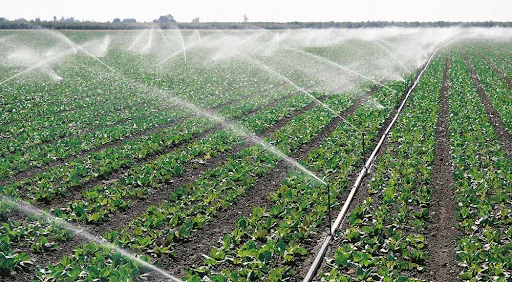
Irrigo project
Morocco
In the Asrir region (Zagora province), ECCBC supported the construction of a 145-meter solar-powered well in partnership with Association des Jeunes de Sart pour le Développement.
The well now provides reliable drinking water access to nearly 500 beneficiaries, including schoolchildren and local residents.
Piped Water Access
Cape Verde
In São Pedro Latada, ECCBC partnered with Águas de Santiago (AdS) to deliver drinking water access to approximately 20 families, improving basic service provision in a vulnerable community.
Borehole Provision
Ghana
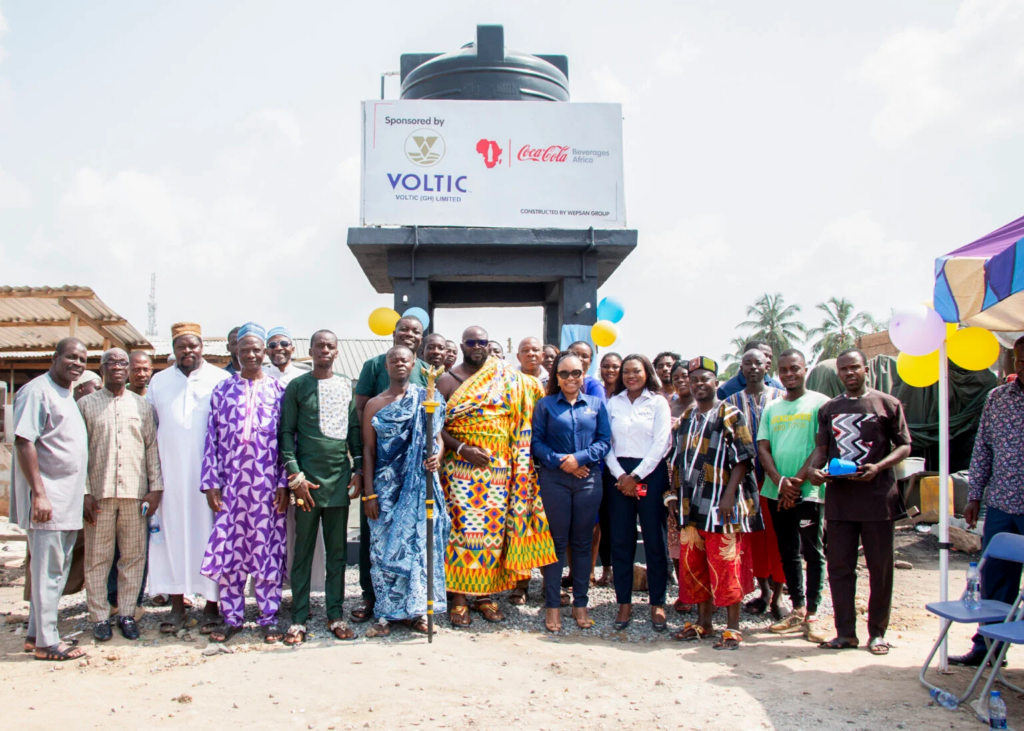
In collaboration with PMSU-UNICOF, ECCBC supported water and sanitation improvements for 710 pupils at the Mampong School for the Deaf, strengthening health, hygiene, and educational conditions.
5
Engagement and Awareness
Morocco Agribusiness Water Coalition (MAWC)
Morocco
ECCBC Morocco co-founded the Morocco Agribusiness Water Coalition (MAWC), a multi-stakeholder platform dedicated to strengthening water resilience through collective water stewardship.
As the Coalition’s Chair, ECCBC Morocco leads collaboration between the private sector, public institutions, and water experts to promote sustainable watershed management, develop basin-level water resilience projects, and share best practices across the agrifood sector. This initiative reinforces ECCBC’s commitment to protecting water resources through collective action.
Water Resilience Workshop
Morocco
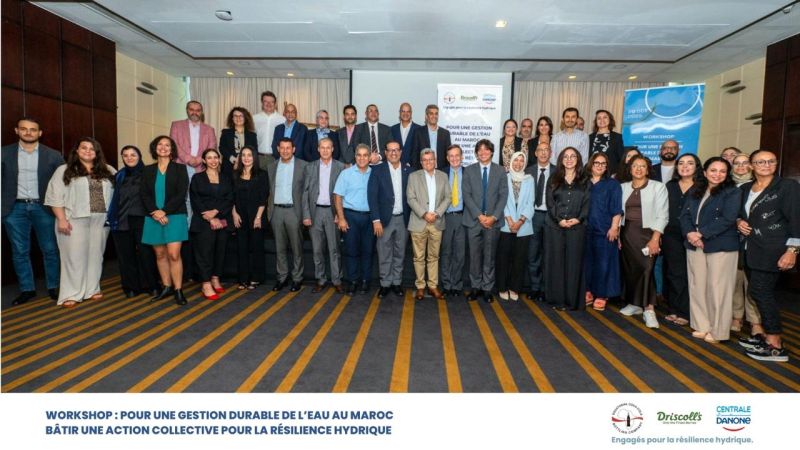
In 2025, ECCBC, in collaboration with Driscoll’s Maroc and Centrale Danone, hosted a high-level Water Resilience Workshop in Casablanca, bringing together public institutions, private sector actors, and sustainability experts.
The objective of the workshop was to:
- Strengthen cross-sector dialogue on water scarcity
- Share best practices on operational water efficiency and replenishment
- Foster collaboration around basin-level water governance
- Lay the groundwork for a broader Water Stewardship coalition in Morocco
By convening both public and private stakeholders, ECCBC contributed to the development of a coordinated approach to sustainable water resource management.
This initiative reinforces our belief that long-term water resilience requires collective action beyond individual corporate efforts.